
-

Phone: +86-400-678-0576
-

E-mail: Stevenhan@cnbsj.com
-

Fax: +86-576-85726668


 English
 русский
 عربى
 Español
NEWS
 Home / News / Industry News / Laundry Sink Guide: Practical Drain, Fit, Installation, and Care Advice
Laundry Sink Guide: Practical Drain, Fit, Installation, and Care Advice
 2026.11.14
 Industry News
Content
- 1 A Laundry Sink Is a Workhorse, Not a Spare Sink
- 2 Choose the Laundry Sink Style Around the Room
- 3 Materials: Match the Surface to the Mess
- 4 Drain Fit: The Small Detail That Decides Comfort
- 5 Washing Machine Connections Need Their Own Plan
- 6 Sizing and Clearance: The Quiet Make-or-Break Details
- 7 Installation Timeline: From Wall to Water Test
- 8 Care Habits That Keep a Laundry Sink Pleasant
- 9 Troubleshooting: Slow Drain, Odor, Leaks, and Lint
- 10 Repair or Replace?
- 11 Frequently Asked Questions
- 11.1 How deep should a laundry sink be?
- 11.2 Can a laundry sink drain into the same trap as a washing machine?
- 11.3 Why does my laundry sink smell even when it is clean?
- 11.4 Is stainless steel the best material for a laundry sink?
- 11.5 What is the advantage of a removable basket strainer?
- 11.6 Can I replace just the drain instead of the whole sink?
- 12 A Practical Finish
A laundry sink rarely gets the attention of a kitchen showpiece, but it may be one of the hardest-working fixtures in the home. It holds soaking buckets, rinses muddy garden tools, fills mop buckets, handles pet bowls, and gives messy jobs a place to happen without taking over the kitchen. When it is planned well, a laundry sink feels invisible in the best way: the water drains, the surface cleans up, and there is enough room to work. When it is planned poorly, every load of laundry becomes a small negotiation with splashing, stooping, and slow drainage.
What a good laundry sink needs to do
It should accept the size of the buckets and basins you actually use, drain quickly, resist stains and impact, and leave enough clear space around the faucet for filling and rinsing. The drain matters as much as the basin because a deep sink with a weak outlet is still frustrating.
The detail people forget
The room behind and below the sink is part of the decision. Trap clearance, washing machine discharge, venting, and the path of the drain pipe can narrow your choices more than color or finish ever will.
A Laundry Sink Is a Workhorse, Not a Spare Sink
People often call this fixture a utility sink, wash sink, laundry tub, or laundry basin. The names vary, but the job is similar: create a practical wet zone outside the kitchen and bathroom. That difference in purpose should shape the purchase. A laundry sink is not simply a cheaper kitchen sink. It usually needs more depth, a more forgiving surface, better access for cleaning, and a drain that can cope with lint, soil, sand, and the occasional accidental overflow.
Start by listing the jobs the sink will see in an average week. A household that mainly rinses small items may be happy with a compact basin. A household that soaks stained clothes, washes pet bedding, fills buckets, and cleans tools will benefit from a wider bowl and a higher faucet. If the sink also receives washing machine discharge, the plumbing plan becomes more important than the visual style.
Space saver
Best for tight corners, small apartments, and rooms where the sink is a secondary convenience. Keep the bowl deep enough to submerge a bucket handle and choose a drain with a removable strainer.
Family workhorse
Best for busy homes with children, pets, or outdoor gear. A wider bowl, a tall faucet, and a durable surface reduce daily friction.
Project sink
Best for garages, workshops, and craft rooms. Think about heavy items, muddy tools, and whether the drain can be reached easily for cleaning.
Choose the Laundry Sink Style Around the Room
Style is not only about appearance. Each mounting method changes how the sink is supported, how the edges are cleaned, and how much cabinet or wall structure is needed. A freestanding tub is simple to set in place and easy to replace later. A drop-in sink gives a finished rim and works well with a countertop. An undermount sink makes wiping debris into the bowl easier but requires a suitable counter and careful sealing. A wall-mounted sink frees floor space and makes mopping underneath simpler. A laundry cabinet with an integrated sink can hide storage and plumbing, but it leaves less room for a deep bucket.
Freestanding laundry tub
A familiar choice for utility rooms because it is straightforward to install and service. Check leg height, floor condition, and whether the tub has a built-in backsplash. The open space below is useful for buckets, but it also collects dust and lint, so easy access matters.
Drop-in sink
A clean rim sits above the counter. It is forgiving to install and simple to replace, though food, lint, and water can gather at the rim if it is not sealed well.
Undermount sink
Debris wipes directly into the bowl. It needs a solid countertop and precise cutout work, and the drain area must remain reachable for service.
Wall-mounted sink
Good for small rooms and easy floor cleaning. The wall must carry the load, and the plumbing should be planned so the trap does not become a knee hazard.
Laundry cabinet
Useful when storage and a neat appearance matter. Confirm that the interior can handle the trap, supply lines, and any washing machine hoses without crowding.
Materials: Match the Surface to the Mess
A laundry sink may see bleach, detergent, soil, sand, paint water, and hot water. The surface should tolerate the routine without becoming porous, chipped, or difficult to clean. Stainless steel is popular because it is light, strong, and resistant to many household chemicals. Composite materials can offer a warmer feel and molded shapes. Enameled cast iron is heavy and quiet but can chip if struck. Acrylic is lightweight and affordable but may scratch more easily. The right choice depends on how often the sink is used and how much abuse it receives.
| Material | Practical strengths | Watch points | Good fit for |
|---|---|---|---|
| Stainless steel | Durable, easy to clean, resists many chemicals, relatively light | Can be noisy without sound dampening; may show water spots | Busy utility rooms, garages, and rental properties |
| Composite | Warm touch, molded shapes, often quiet | Check heat limits and abrasive cleaner warnings | Laundry rooms where appearance matters |
| Enameled cast iron | Heavy, quiet, classic finish | Can chip; heavy to install and support | Renovations with strong floor and cabinet support |
| Acrylic | Lightweight, affordable, warm to touch | May scratch or dull with harsh scrubbing | Light-duty laundry and craft areas |
Do not judge only by the label. Look at the bowl depth, the underside support, the drain opening, and the care instructions. A heavier-gauge stainless steel basin often feels more solid and resists flexing, while a thin basin may drum loudly when water hits it. If the sink will handle heavy buckets, check that the bottom is reinforced and that the mounting method suits the weight.
Drain Fit: The Small Detail That Decides Comfort
The drain is where a laundry sink either feels competent or annoying. Check the drain opening size, the type of strainer, and the space available for the trap below. A removable basket strainer is helpful because lint, hair, and small debris are easier to lift out than to push down. If the sink is deep or the floor is thick, the drain body must be long enough to seat correctly without leaking at the seal. If the outlet must run horizontally because the wall or cabinet is shallow, the drain assembly needs to match that path rather than forcing a sharp bend.
For many utility and laundry basin projects, the drain is not a glamorous purchase, but it is a service point. Choose a design that can be reached, cleaned, and replaced without dismantling the whole sink. Our laundry drain range includes options organized around common utility basin layouts, which can make the first round of comparison less confusing.
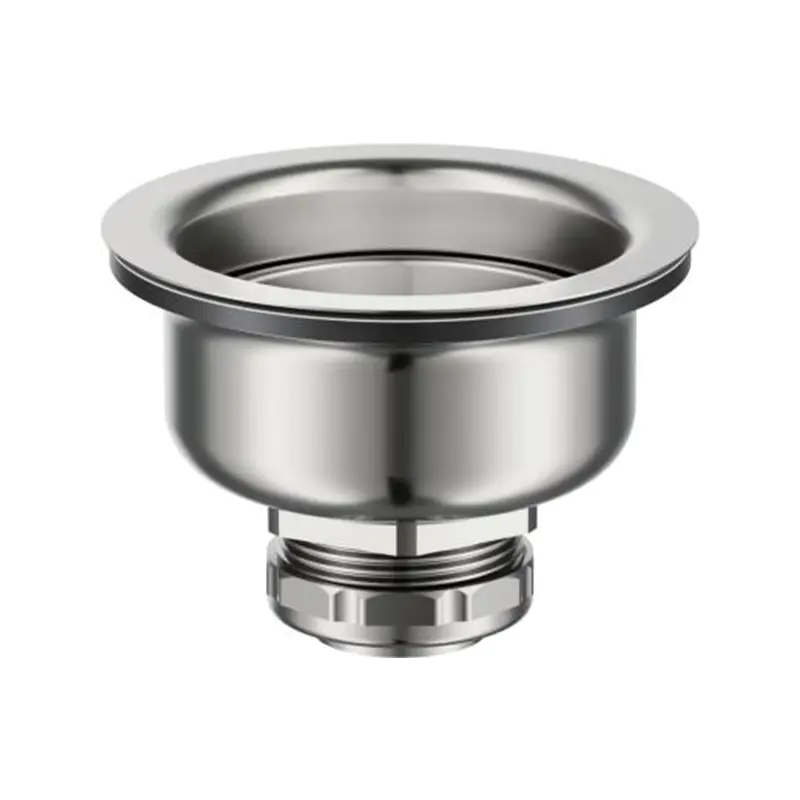
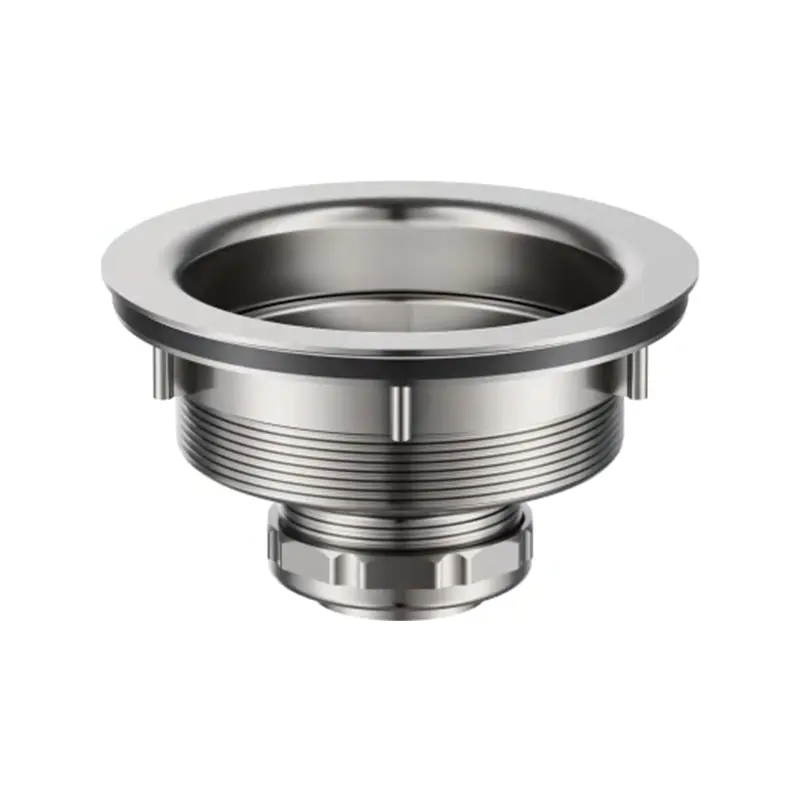
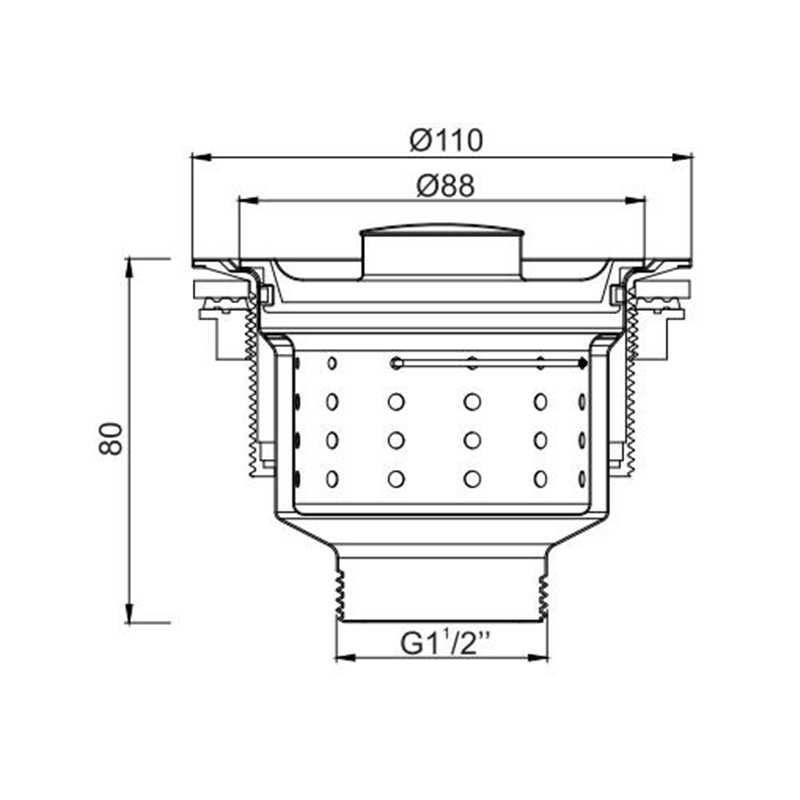 Long-Thread Laundry Basin Drain for Thick BasinsExtended threads help fit laundry basins of non-standard thickness, with a stainless steel body and included gasket for stable installation.View Product →
Long-thread drain bodies are often considered when the basin has a thick base, a deep bowl, or a mounting arrangement that needs more thread engagement. The goal is a stable seal and a drain that sits properly against the basin floor, not a stack of improvised washers. Confirm the basin opening, gasket order, and clearance below before tightening anything.
Washing Machine Connections Need Their Own Plan
If a washing machine discharges into the laundry sink, plan the connection as a system. The hose should not be crammed into a drain opening where it can fall out or splash wastewater onto the floor. A proper air break, secure hose support, and a trap arrangement suited to the local plumbing code reduce the risk of backflow and odor. Some households use a dedicated standpipe instead of discharging into the sink; others use a sink as a secondary receptor. The choice affects trap sizing, venting, and how easily lint can block the path.
Keep lint in mind. Washing machine discharge can carry fibers that collect in traps and reduce flow over time. A strainer at the sink is not a substitute for a proper washing machine lint solution, but it does help catch what comes from hand rinsing. If the sink drains slowly only when the washer runs, the problem may be the shared trap, hose position, or venting rather than the sink basket itself.
Sizing and Clearance: The Quiet Make-or-Break Details
Measure the room, the people, and the objects that will use the sink. A bowl that is too shallow splashes; a bowl that is too deep can strain the back. A faucet that is too low makes bucket filling awkward; a faucet that is too close to the back edge may hit the wall or the washing machine lid. Leave room to turn a bucket handle and to reach the drain. If the sink is beside a dryer, check door swing and hose routing before the cabinet or tub is fixed in place.
The bar chart above is a planning reference, not a fixed rule. Confirm the actual cutout, drain location, and clearance from the product specification before ordering.
Also think about floor protection and storage. A laundry sink often shares space with detergent, baskets, mops, and pet supplies. If the sink is against a wall, a small backsplash can protect the paint. If it is near a door, a raised rim or a controlled faucet flow can reduce splash. These are small choices, but they shape how pleasant the room feels after the first month.
Installation Timeline: From Wall to Water Test
A laundry sink installation is easier when the sequence is clear. The exact steps depend on the sink type and local code, but the order below keeps the work from backing itself into a corner.
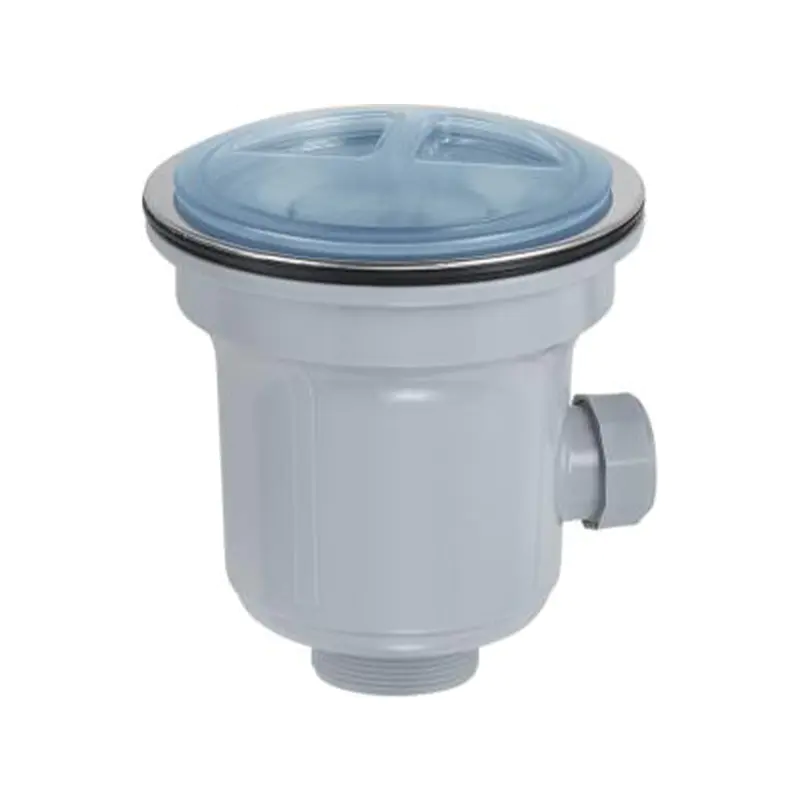
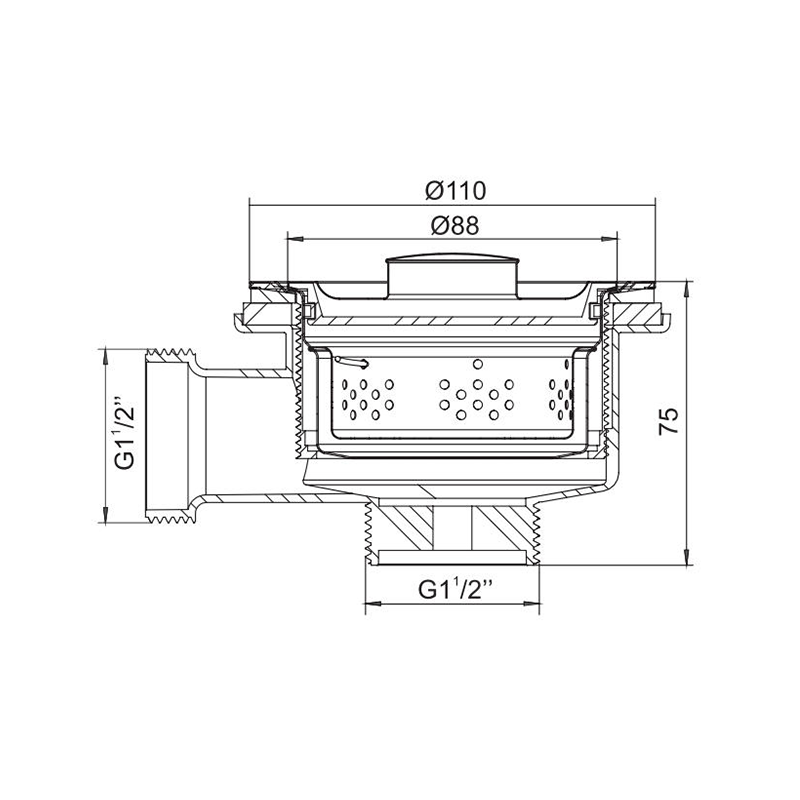 Horizontal Double-Layer Plastic-Steel Laundry Basin DrainSide-discharge design frees under-cabinet space, while the quick-clean port helps clear lint in custom laundry cabinet layouts.View Product →
1. Confirm the rough-in
Check supply locations, drain height, trap space, venting, and whether the washing machine discharge will share the area. Repair wall damage before the sink goes in, not after.
2. Set the support
For a freestanding tub, level the legs and protect the floor. For a countertop sink, confirm the cutout and support the rim or underside correctly. For a wall sink, secure the bracket to sound structure.
3. Fit the drain and strainer
Follow the gasket order exactly. A dry fit first saves time. Hand-tighten, then finish carefully without crushing the seal. If the outlet is horizontal and the space behind the sink is shallow, a horizontal drain design may be a practical candidate.
4. Connect the trap and waste line
Keep the trap aligned so it can be removed for cleaning. Avoid forcing threaded parts. Check that the pipe slope and connections suit the local plumbing requirements.
5. Connect the faucet and supplies
Use new supply lines where appropriate. Test hot and cold separately. Make sure the faucet spout reaches the center of the bowl without hitting the back edge or a bucket handle.
6. Secure the washer hose if used
Prevent the discharge hose from jumping out of the sink or receptor. Keep the hose from sagging into standing water and follow the machine manufacturer's guidance for the air break and hose height.
7. Water test and observe
Run hot water, cold water, and a full bowl drain. Look under the sink with a flashlight. Check the trap, drain gaskets, supply connections, and the floor around the tub. A small seep now is easier to fix than a damaged cabinet later.
Care Habits That Keep a Laundry Sink Pleasant
Most laundry sink problems are not dramatic failures. They are small habits that accumulate: lint in the strainer, soap film on the bowl, a slow leak at the trap, or a drain that has never been cleaned because it was hard to reach. A few minutes of routine care can prevent most of that.
Rinse after messy jobs
Soil, paint water, and detergent residue are easier to remove before they dry. Rinse the bowl and run water through the drain after cleaning tools or pet items.
Empty the strainer often
Lift out lint and debris before it compacts. A strainer that is full restricts flow and makes the drain seem worse than it is.
Use the right cleaner
Follow the sink manufacturer's guidance. Abrasive powders can dull some surfaces, and strong chemicals may damage seals or finishes if left in contact.
Watch the trap
Look for beads of water or white mineral trails under the sink. A loose slip nut is usually simple to tighten, but repeated leaks need proper attention.
Protect the rim
Do not stand heavy buckets on a delicate rim. Use a stable stool or the floor. Chips and cracks are costly to repair and can trap dirt.
Keep the area dry
Wipe the counter and faucet base after use. Standing water around the rim can soften sealant over time and encourage mineral buildup.
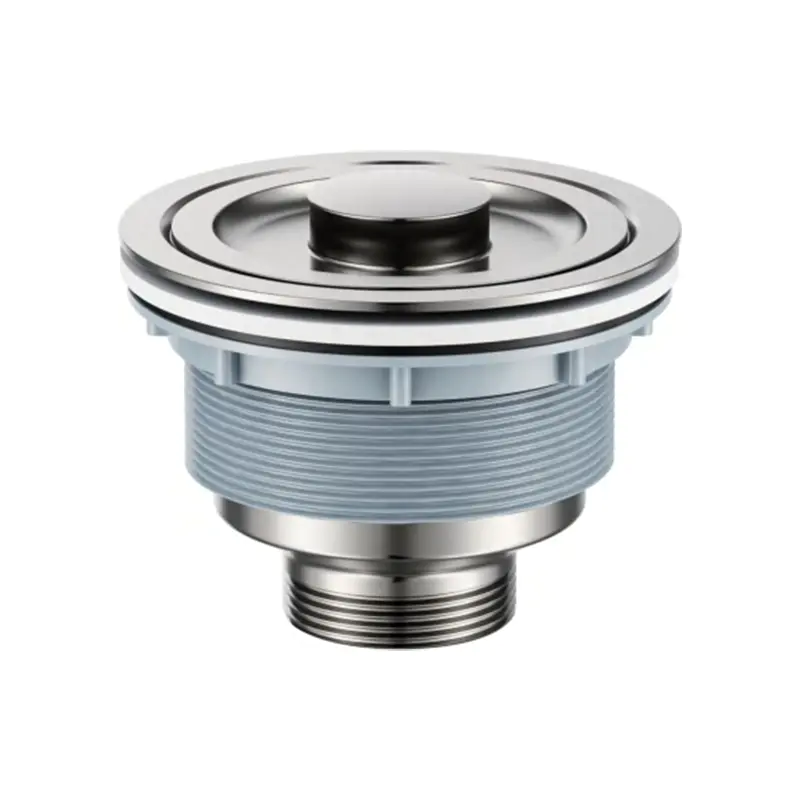
If the sink has a pop-up or push-button stopper, clean around the stem occasionally. Hair and lint can wrap around the mechanism and make it stiff. A horizontal double-layer pop-up drain can be a practical replacement candidate when the old stopper no longer seals or operates smoothly and the under-sink space suits that layout.
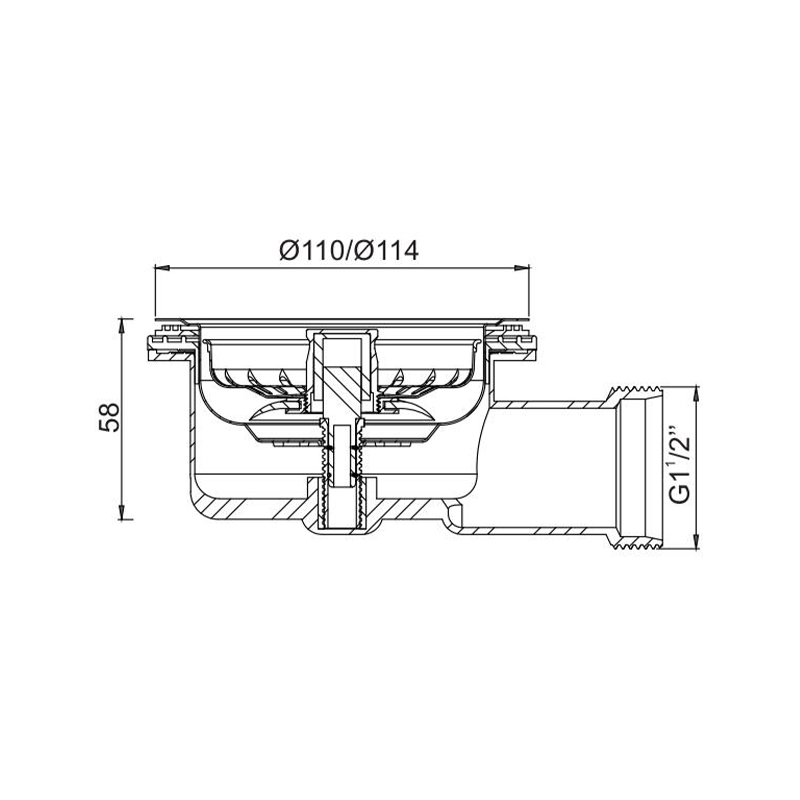 Horizontal Double-Layer Pop-Up Laundry Sink DrainOne-touch pop-up replacement with extended threads for varying sink thicknesses and mirror-polished stainless steel for premium laundry areas.View Product →
Troubleshooting: Slow Drain, Odor, Leaks, and Lint
Before reaching for a chemical drain cleaner, identify the symptom. A sink that drains slowly from the start may have a venting or trap issue. A sink that became slow over months may have lint and soap buildup. A sink that smells may have a dry trap, a biofilm layer, or a washing machine connection that allows sewer gas to escape. A sink that leaks only when filled may have a drain gasket problem rather than a supply line problem.
Water stands in the bowl
Remove the strainer and check for lint or debris. If the basket is clear, inspect the trap. Avoid forcing a stiff auger through a fragile plastic trap.
Odor after the washer runs
Check the hose position, air break, trap, and venting. The sink basket may not be the source. A dry trap in a rarely used sink can also produce odor.
Water under the sink
Dry everything, then run water and watch. A leak at the drain body, slip nut, or trap can look like a cabinet leak. Tighten only what is designed to be tightened.
Lint keeps returning
Empty the strainer more often and check whether washing machine discharge is contributing fibers. A routine rinse can stop lint from drying onto the bowl.
Repair or Replace?
Repair is usually sensible when the sink is structurally sound and the problem is local: a worn strainer, a leaking trap, a stiff stopper, or a failed supply line. Replacement makes more sense when the bowl is cracked, the surface is deeply stained or chipped, the drain opening is damaged, or the sink no longer fits the room's needs. A shallow basin that splashes every day is not a moral failing; it is a planning mismatch. Replacing it may be cheaper than years of towels on the floor.
Repair signals
- The leak comes from a serviceable joint or gasket.
- The stopper no longer seals, but the bowl is in good condition.
- The drain is slow because of lint, not a broken pipe.
- The sink fits the room and the only issue is wear.
Replace signals
- The bowl is cracked, chipped through, or unstable.
- The drain opening is deformed or cannot seal.
- The sink is too small for routine buckets or soaking.
- The plumbing layout cannot be corrected without changing the fixture.
Frequently Asked Questions
How deep should a laundry sink be?
Depth should match the tallest bucket or item you expect to soak, while still being comfortable to reach. A very deep bowl can strain the back; a very shallow one splashes. Measure your routine items before choosing.
Can a laundry sink drain into the same trap as a washing machine?
It depends on the local plumbing code, the trap size, the venting, and the discharge rate. A shared arrangement can work in some layouts, but it should be reviewed by a qualified person to avoid backflow, odor, and lint problems.
Why does my laundry sink smell even when it is clean?
A dry trap, biofilm in the drain, or a washing machine connection issue can cause odor. Clean the strainer and visible drain parts, then check the trap and venting. Persistent sewer smell needs professional attention.
Is stainless steel the best material for a laundry sink?
It is a practical choice for many homes because it is durable, light, and easy to clean. Composite, enameled cast iron, and acrylic can also work well when their care needs and installation support match the room.
What is the advantage of a removable basket strainer?
It lets you lift out lint, hair, and debris before they reach the trap. That makes routine cleaning faster and reduces the chance of a slow drain. Choose one that fits the drain opening properly and seals well.
Can I replace just the drain instead of the whole sink?
Often yes, if the bowl and drain opening are sound. Match the new drain to the basin thickness, opening size, and under-sink clearance. Replace the sink when the bowl is cracked or the opening cannot be sealed reliably.
A Practical Finish
The best laundry sink is not the largest or the most expensive one. It is the one that fits the room, receives the drain and washing machine connections cleanly, and makes routine cleaning easy. Start with the work, then the plumbing, then the style. With more than two decades of experience in kitchen and bath drainage, we have seen how often a small drain detail decides whether a utility room feels calm or chaotic. If you are planning a replacement or comparing drain options, contact us and describe the basin, the outlet, and the space below the sink; that conversation usually saves more time than another round of photographs.
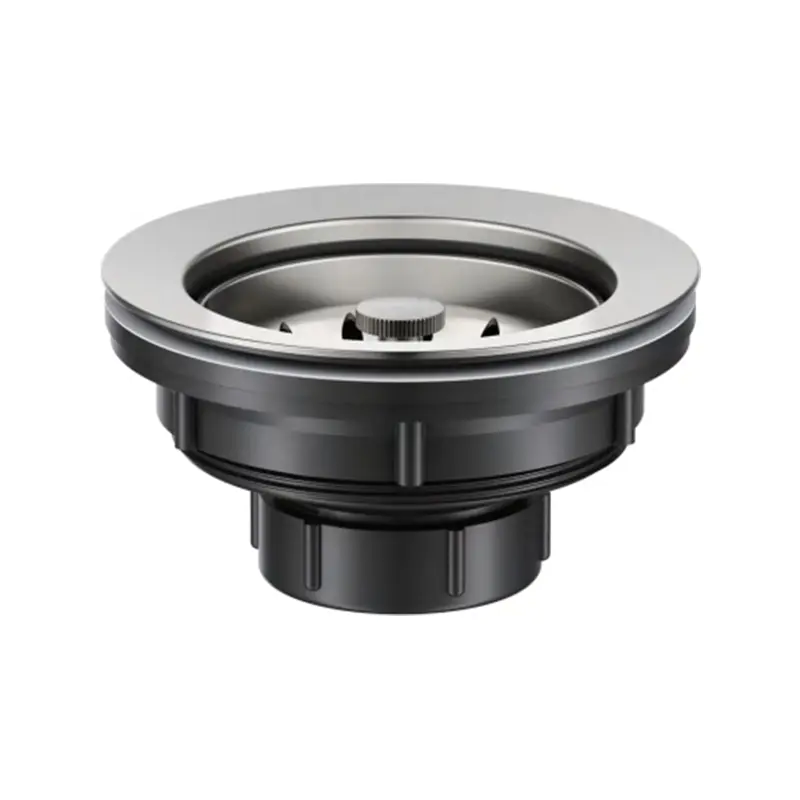

Be a top expert in underwater engineering, build a renowned international brand, become an outstanding manufacturing enterprise, and strive to be an industry leader at home and abroad.
Contact Information
Add: No. 3 Beiyang 4th Road, Beiyang Industrial Park, Shangpan, Duqiao Town, Linhai City, Zhejiang Province, China
Tel: +86-576-85726188 / +86-400-678-0576
Fax: +86-576-85726668
E-mail: boshijie8885@163.com / Stevenhan@cnbsj.com
Copyright © Zhejiang BOSHIJIE Kitchen & Bath Technology Co., Ltd. All Rights Reserved.
Privacy Custom Washbasin Sink Drainer Factory