
-

Phone: +86-400-678-0576
-

E-mail: boshijie8885@163.com
-

Fax: +86-576-85726668


 English
NEWS
 Home / News / Industry News / Fierce Competition in the Sanitary Ware Market Makes Brand Culture Building Crucial
Fierce Competition in the Sanitary Ware Market Makes Brand Culture Building Crucial
 2025.04.10
 Industry News
Brand culture is about endowing a brand with profound and rich cultural connotations, establishing a distinct brand positioning, and fully utilizing various powerful internal and external communication channels to form consumers' high spiritual identification with the brand, creating brand belief, and ultimately forming strong brand loyalty. An excellent brand culture can not only endow a brand with strong vitality and expansion power, but also enable consumers to develop a sense of self-awareness in consuming brand culture. In the fierce competition of the sanitary ware market, building brand culture is extremely important for enterprises.
Consumers Resonate with Brand Culture
Traditional economic theory points out that when consumers make purchases, they are generally influenced by a simple concept of equivalence (that is, price equals product value), and the quality and value of a product determine consumers' choice of consumer goods. However, in today's world where product homogenization is becoming increasingly high, this simple concept of equivalence is being challenged by reality! When consumers have the same purchasing power, there are often more than one product on the market that meets their traditional equivalence standards, and traditional consumption concepts put consumers in a dilemma of choice.
So how do consumers make their choices? It is understood that in addition to identifying with product quality and value, there is a force influencing consumers' choices — the role of brand culture. Once brand culture resonates with the culture and values that consumers identify with internally, this force becomes very powerful. Because it is another added value that the brand gives to the product besides service, and it is precisely this intangible added value that influences consumers' choices among homogenized products.
Brand is a powerful means of market competition, but it is also a cultural phenomenon. Excellent brands have a good cultural foundation. When consumers buy sanitary ware products, they not only choose the function and quality of the product, but also choose the cultural taste of the sanitary ware product. When building a brand, culture will inevitably penetrate and fill it and play an irreplaceable role.
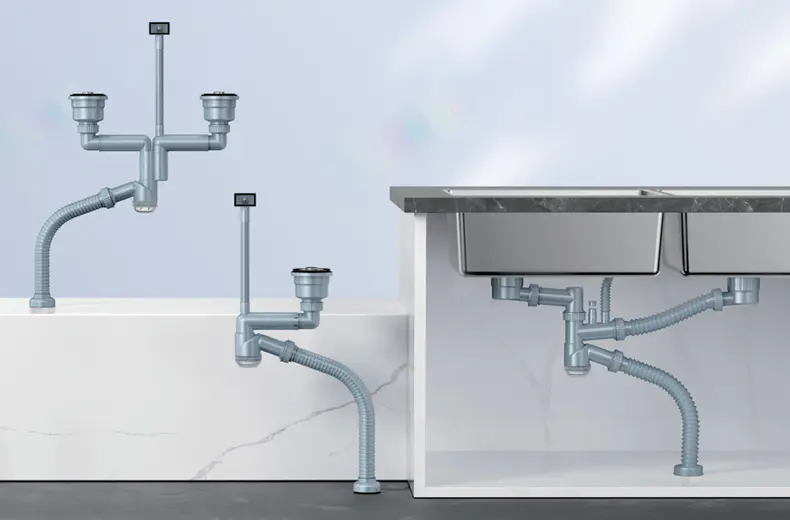
Building a Sanitary Ware Brand Requires Organic Combination
The formation of a brand mainly depends on three elements: product awareness, the enterprise's social image, and the ability and personal charisma of the operator. A successful sanitary ware brand should be an organic combination of quality and culture.
Creating a sanitary ware brand is a process of exquisitely and fully displaying culture. In the process of brand building, culture plays a role in cohesion and catalysis, making the brand more connotative; the cultural connotation of a brand is the driving force for enhancing brand added value and product competitiveness. Brand is the carrier of culture, and culture is the essence of the enterprise condensed in the brand. It is also the embodiment of the concepts, will, codes of conduct, and team style that permeate the entire brand management process. Therefore, when product homogenization becomes increasingly high, and sanitary ware enterprises are increasingly unable to create differences in products, prices, and channels to gain competitive advantages, brand culture provides a solution.
In the future, competition among sanitary ware enterprises will not only be brand competition, but also brand culture competition. Building a successful brand culture is a form of high-level competition. Looking across the market, any successful enterprise has made its mark through a unique brand culture.
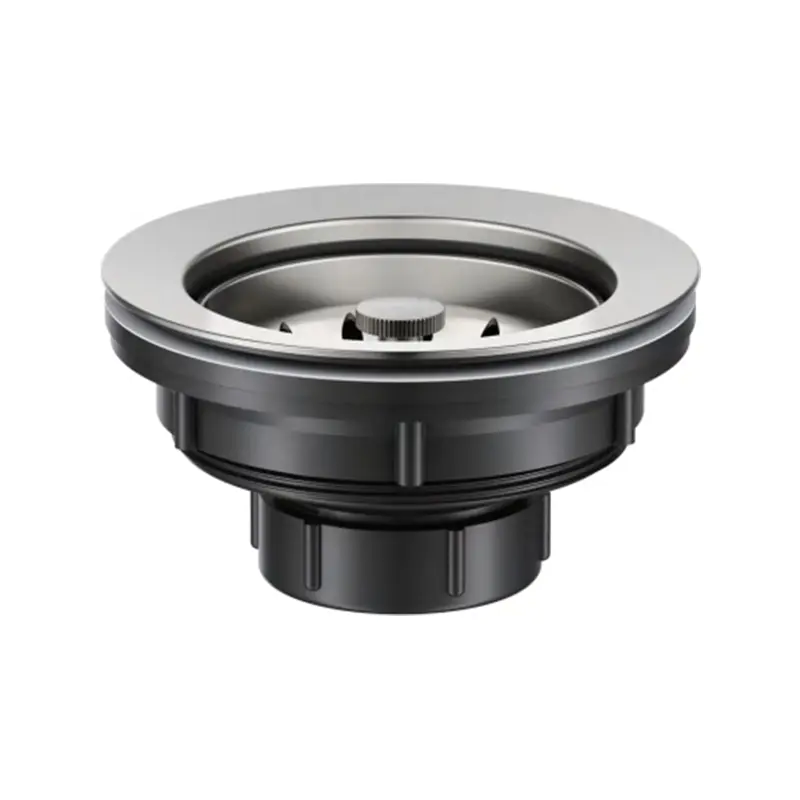
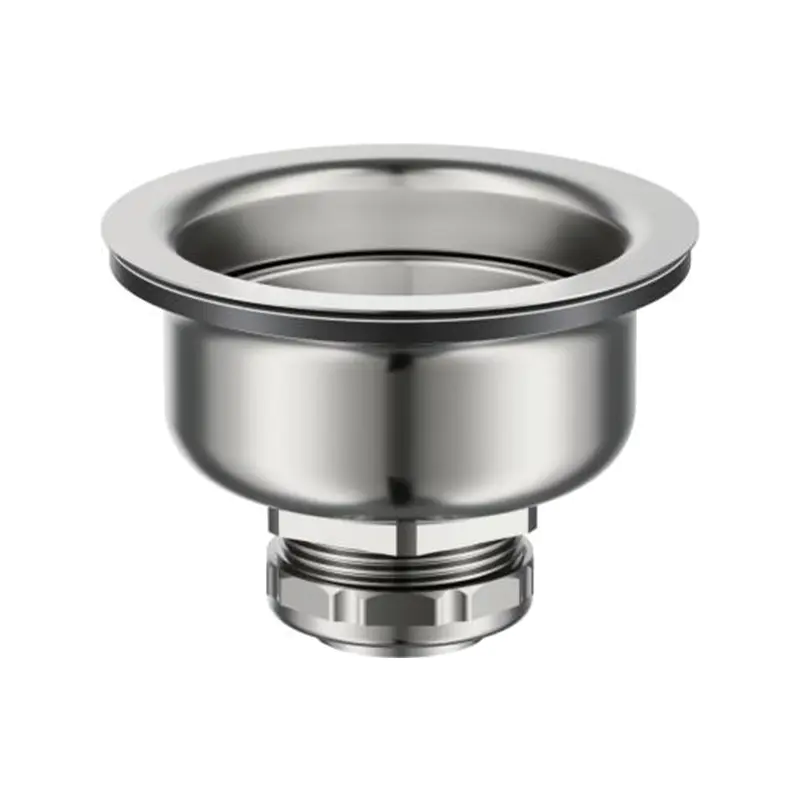
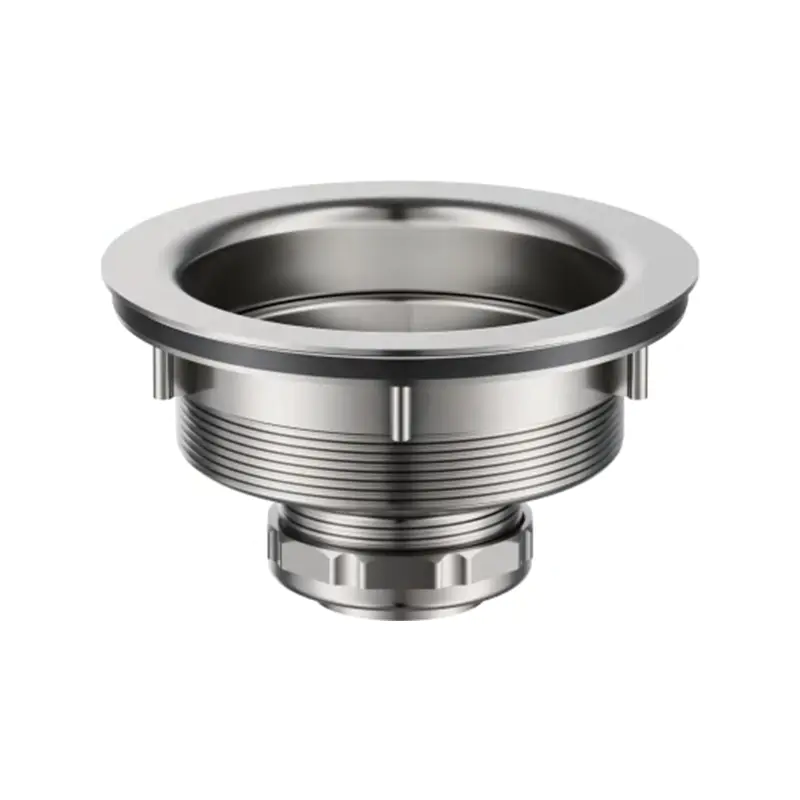


Be a top expert in underwater engineering, build a renowned international brand, become an outstanding manufacturing enterprise, and strive to be an industry leader at home and abroad.
Contact Information
Add: No. 3 Beiyang 4th Road, Beiyang Industrial Park, Shangpan, Duqiao Town, Linhai City, Zhejiang Province, China
Tel: +86-576-85726188 / +86-400-678-0576
Fax: +86-576-85726668
E-mail: boshijie8885@163.com
Copyright © Zhejiang BOSHIJIE Kitchen & Bath Technology Co., Ltd. All Rights Reserved.
